
High-touch surfaces in a clinic: which ones carry the most cross-contamination risk and how to protect them
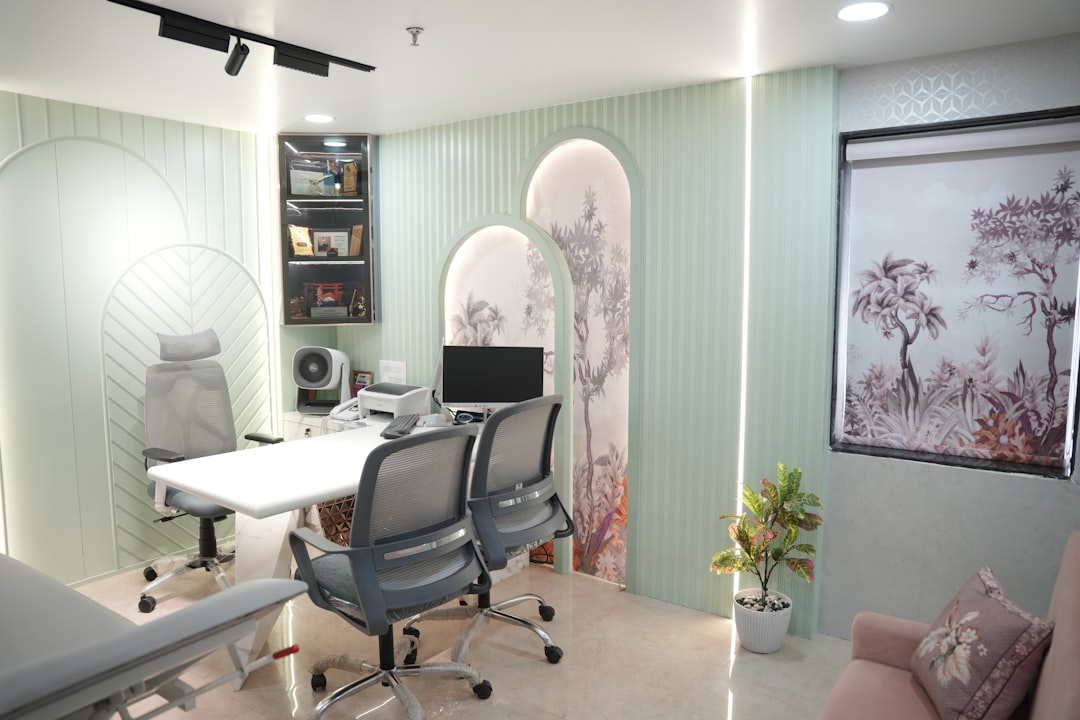
A patient checks in at the reception counter, taps a payment terminal, grips a waiting-room arm rest, then sits in the treatment chair. Every one of those contacts leaves behind whatever they brought in. The next patient follows the same path within minutes.
For a clinic operator or facilities manager, that sequence is the core of the cross-contamination problem. Routine cleaning helps, but it only works at the moment it is done. The moment a treated surface is touched again, the cycle restarts.
Understanding which surfaces carry the highest risk, and what kind of protection holds up between cleans, is the first step to building a credible infection-control programme rather than reacting to each outbreak after the fact.
Why this matters: In a busy Singapore clinic, high-touch surfaces can change hands dozens of times an hour, and a standard clean leaves no residual protection the moment it dries.
Highlights
- Reception counters, door handles, payment terminals and treatment chairs are the highest cross-contamination risk points in a clinic.
- Standard disinfection protects a surface only until the next contact; residual antimicrobial coating keeps working between cleans.
- The AEGIS Microbe Shield bonds permanently to the surface and ruptures bacteria, mould and fungus on contact, without leaching or washing off.
- Effective on plastic, wood, metal, glass and textiles, the full range of surfaces in a typical clinic.
- Treatments are field-verifiable by BPB test; approved under Health Canada PCP# 15133, US EPA 64881-1 & 64881-7, EU PT-7 & PT-9 and UK PT-2.
The surfaces that carry the highest risk
Not every surface in a clinic is equal. Risk is a function of how often a surface is touched, by how many different people, and how long pathogens can survive on it. These are the ones that matter most.
Reception counter and check-in area
The reception counter is the single busiest contact point in the clinic. Patients lean on it, hand over documents, pass cards and sign forms. Staff touch the same surface continuously between patients. Because there is rarely time for a full wipe-down between every interaction, bioburden accumulates across the day.
Hard countertop materials, laminates, acrylic, powder-coated metal, are all treatable surfaces. An antimicrobial surface coating for clinics applied here provides the residual protection that a busy counter needs but a spray-and-wipe between patients cannot reliably deliver.
Door handles and push plates
Every person entering or leaving the clinic touches the same handle. Patients arriving may already be unwell; the handle immediately becomes a transfer point to every patient who follows. Internal door handles, to consultation rooms, toilets and the dispensary, carry the same problem within the clinic itself.
Metal door furniture is one of the most straightforward surfaces to treat. The coating bonds to the metal and the protection stays in place regardless of how many times the handle is wiped or disinfected.
Payment terminals and shared devices
Tapped screens, PIN pads and shared tablets are touched by every patient and by staff. Unlike a counter, these surfaces are rarely sanitised between each transaction. The small surface area concentrates contact from an enormous number of hands relative to its size.
A pilot randomised controlled trial conducted at the National University Hospital emergency department found that antimicrobial surface coating helped reduce surface bioburden on high-touch surfaces in a clinical setting. Payment terminals and shared devices are exactly the kind of surface that study was examining.
Treatment chairs and examination tables
The treatment chair or examination table is the one surface a patient has prolonged, full-body contact with. Upholstered surfaces present a particular challenge: fabric retains moisture and organic matter in a way that a hard surface does not, and a standard wipe-down cannot fully address what is embedded in the textile.
The AEGIS Microbe Shield is effective on textiles as well as hard surfaces. That matters for clinics with fabric-covered chairs, headrests and cushioned arm rests, the coating can be applied to the upholstery itself, not just the frame.
Waiting-room arm rests and shared seating
Waiting-room seating is occupied for longer than almost any other contact point. Arm rests accumulate contact from patients who may be sitting for 30 minutes or more, and in a busy clinic the seat rarely has time to rest between occupants. This is the surface category that facilities managers most often overlook.
For clinics running back-to-back appointments, dental practices, physiotherapy, GP and specialist outpatient settings, the waiting area deserves the same treatment protocol as the consultation room.
What routine disinfection does and does not do
A standard disinfection protocol, spray, wipe, done, provides a clean surface at that exact moment. Once a treated surface is touched again, the protection is gone. There is no residual effect.
For a surface like a reception counter that is touched hundreds of times a day, the gap between cleans is effectively unprotected time. This is not a criticism of the cleaning team. It is a structural limitation of biocides that work by chemical kill: they dissipate and leave nothing behind.
Residual antimicrobial protection works differently. The AEGIS Microbe Shield is a silane quaternary-ammonium micropolymer that bonds covalently to the surface and forms a positively-charged coating. When a bacterium, mould spore or fungus contacts the surface, the charge mechanically ruptures the cell membrane. The coating does not leach, wash off or get used up between cleans. It keeps working on its own.
For a clinic, the practical difference is that the surface is not left undefended during the hours between scheduled disinfection rounds.
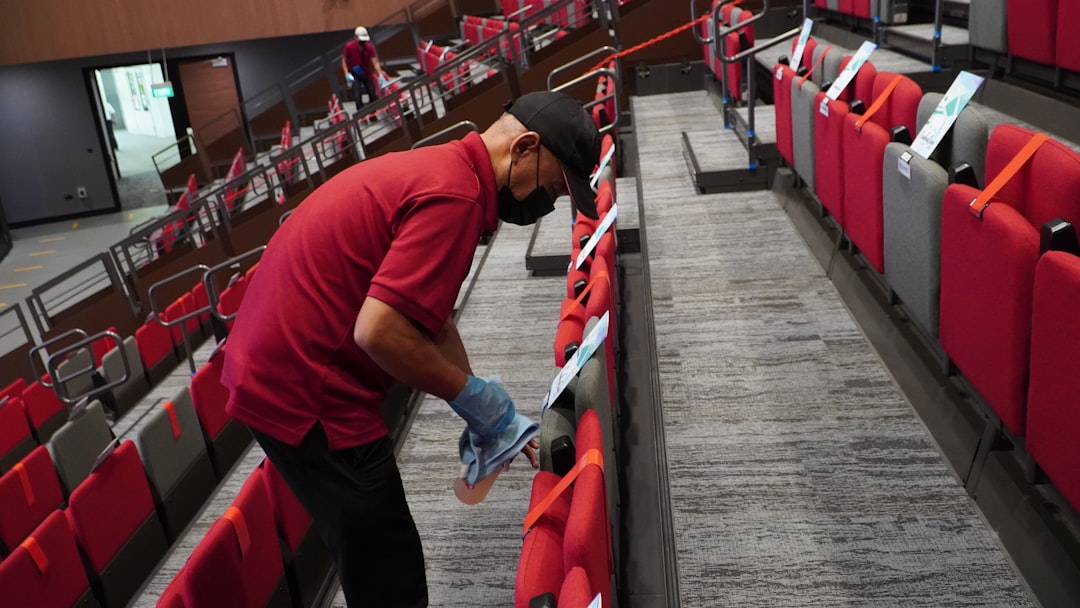
When professional treatment is the right step, and when it is not
A coating treats the surface it is applied to. It is not a substitute for an existing cleaning protocol, and it cannot fix the underlying cause of a mould or contamination problem. If a clinic has a water-intrusion issue driving mould behind a wall, that source needs to be dealt with first, the coating protects the surface but cannot address what is happening behind it. For that kind of problem, mould and bacteria remediation is the right starting point.
Similarly, a surface that has significant existing biofilm, accumulated organic residue on a neglected treatment chair, for instance, needs to be properly cleaned before coating. The coating bonds to the surface, not to the contamination on top of it.
What clinic staff can manage themselves: regular wipe-downs with an appropriate disinfectant, keeping high-touch surfaces visibly clean, and replacing obviously damaged or cracked surfaces where pathogens can harbour in the material.
What a professional treatment adds is the residual layer that persists between those cleans. The two work together; neither replaces the other.
Verifying that the treatment is actually there
One question clinic operators rightly ask is how they know the coating is still doing its job. The AEGIS Microbe Shield can be field-verified using the bromophenol-blue (BPB) test, which detects the positive charge of the coating on the surface. It is a practical, on-site check rather than a laboratory exercise. Related: how field detection of AEGIS Microbe Shield treatment works in practice.
For a clinic with accreditation requirements or infection-control audits, that verifiability matters. You are not relying on a technician's word that the treatment was applied; you can check it.
Building a surface-protection programme for a clinic
The most effective approach treats the clinic as a series of risk zones rather than a single space to treat once and forget. A practical programme looks like this:
- Map the high-touch points by patient flow: entry, check-in, waiting, consultation, payment and exit. Reception counters, door handles and payment terminals appear in almost every flow.
- Identify the surface materials at each point: hard laminate, metal, glass, fabric upholstery, plastic. The coating works across all of them, but the application method and prep vary.
- Assess whether remediation is needed first. Any surface with active mould growth or significant biofilm contamination should be remediated before coating.
- Apply the AEGIS Microbe Shield to each treated surface. The coating bonds permanently and does not require periodic reapplication for the life of the treated surface.
- Verify the treatment with a BPB field test and retain the results for your infection-control records.
- Continue routine disinfection. The coating works alongside your cleaning programme, not instead of it.
The Branksome Hall experience with AEGIS Microbe Shield on high-touch areas is one documented example of the residual-protection principle applied systematically across a busy shared environment.
For a Singapore clinic, the logic is straightforward: the surfaces that see the most contact carry the most risk, and the gap between cleans is where that risk is highest. Residual protection closes that gap.
Frequently asked questions
Will the coating wash off when staff clean the surfaces normally?
No. The AEGIS Microbe Shield bonds covalently to the surface material and does not leach or wash off with routine cleaning. Standard disinfection wipes, sprays and mopping do not degrade the coating. It is designed to remain in place for the life of the treated surface, which is why it is described as non-leaching and residual rather than a topical spray.
Is the coating safe for use in a clinical setting with patients present?
Once applied and cured, the treated surface is safe for normal contact. The coating is approved under Health Canada PCP# 15133, US EPA reg. 64881-1 & 64881-7, EU PT-7 & PT-9 (REACH) and UK PT-2. Application itself is typically done outside clinic hours to avoid any disruption to patients or staff.
Which clinic surfaces benefit most from antimicrobial surface coating?
Reception counters, door handles, payment terminals and treatment chairs are the highest priority because of the frequency and variety of contact they receive. Waiting-room arm rests and shared tablets are close behind. In practice, the best approach is to treat all patient-facing high-touch surfaces in a single programme rather than selecting one or two in isolation.
Can the coating be applied to both hard surfaces and fabric upholstery?
Yes. The AEGIS Microbe Shield works on plastic, metal, glass, wood and textiles. For a clinic with fabric-covered treatment chairs or upholstered waiting-room seating, the coating can be applied directly to the textile. This is one of the reasons it is more versatile than hard-surface-only disinfection products.
How do we know the treatment is still working after several months?
The BPB (bromophenol-blue) field test detects the positive charge of the coating on the surface. It can be carried out on-site at any point after application, making it practical for periodic infection-control audits. If the surface has been physically damaged or replaced, that area would need to be re-treated and re-verified.
Protect your clinic's high-touch surfaces
Ready to close the gap between cleans? Contact Aegis Asia to discuss a surface-protection programme for your clinic.
- Call us: 6241 9443
- WhatsApp: 9222 9222
- Email: info@aegisasia.com
Get a free quote