
Spa, pool deck and guest corridor: the hotel surfaces antimicrobial coating protects that housekeeping can't
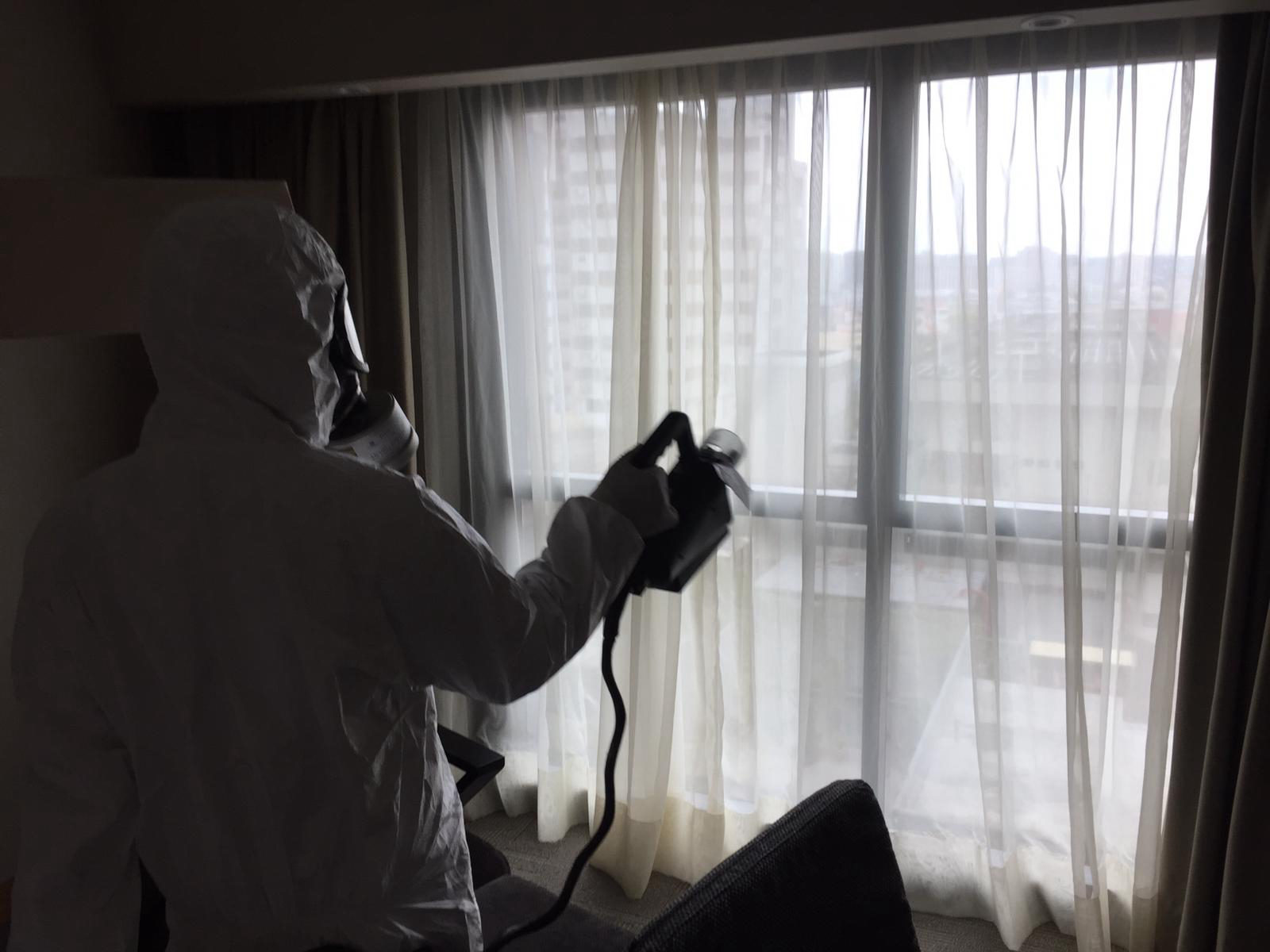
A guest room gets stripped, cleaned and reset between stays. That process is visible, measurable and timed. It is also, in surface-protection terms, the easy part.
The harder problem is everything outside the room: the spa treatment table that sees six to eight clients in a day, the pool-deck handrail that is wet and touched continuously from six in the morning, the lift lobby button that nobody counts, the corridor carpet runner that carries barefoot and shod traffic all at once. None of these surfaces gets a reset. They get a round.
For Singapore hotels operating in a humid, high-occupancy environment, those surfaces are the exposure gap that routine housekeeping was never designed to close.
Why this matters: A one-off clean protects a surface only until the next person touches it; wet-area and corridor surfaces in a busy hotel cycle through continuous contact all day, leaving hours of exposure that no cleaning schedule can eliminate on its own.
Highlights
- Hotel surfaces outside guest rooms, including spa areas, pool surrounds, lift lobbies and corridor handrails, cycle through continuous contact with no equivalent room-turnaround reset
- The AEGIS Microbe Shield coating is a silane quaternary-ammonium micropolymer that bonds permanently to the surface and ruptures bacteria, mould and fungus on contact
- Non-leaching: the coating does not dissipate, transfer or get used up, giving residual protection between cleans for the life of the treated surface
- Effective on plastic, wood, metal, glass and textiles, covering the full range of wet-area and corridor surfaces in a hotel
- Field-verifiable by BPB (bromophenol-blue) test, so protection can be confirmed on-site
- Approved under Health Canada PCP# 15133, US EPA reg. 64881-1 & 64881-7, EU PT-7 & PT-9 (REACH) and UK PT-2
Why wet areas and corridors are a different problem from guest rooms
The contact pattern is continuous, not episodic
A guest room surface sees one or two guests between cleans. A spa treatment table sees a new client every 60 to 90 minutes, and the surfaces around it, the headrest, the side shelf, the door handle, the robe hooks, accumulate bioburden across the entire day. A pool-deck handrail is wet for most of the morning and afternoon and touched by every person who steps in or out of the water.
The clean that happens at the end of the day clears that day's load, but it cannot undo the exposure window that built up hour by hour. That window is where cross-contamination risk lives.
Humidity compounds every surface problem in Singapore
Singapore's year-round humidity sits well above the threshold at which mould and bacteria proliferate readily on surfaces. In a spa or pool area, which is by design wet, warm and poorly ventilated compared to a conditioned guest floor, that dynamic is amplified. Grout lines, tile edges, timber decking and soft furnishings in treatment rooms are especially susceptible: mould does not need much to establish a foothold, and once it does, surface cleaning shifts from maintenance to remediation.
This is a different category of problem from a dirty corridor. Mould remediation in a hotel spa or pool surround is disruptive, expensive and visible to guests. Prevention, a coating that keeps surfaces actively hostile to mould between cleans, is a more manageable and less costly response.
What a hotel antimicrobial surface treatment actually does in these zones
How the coating works on a treated surface
The AEGIS Microbe Shield is a silane quaternary-ammonium micropolymer. When it is applied to a surface, it forms a covalent bond and leaves a positively charged, spiked molecular layer. A bacterial cell or mould spore that contacts the surface is ruptured mechanically by that charge. The coating does not leach a biocide into the environment; it does not wash off; it does not get used up. The protection it delivers is residual, present between every clean for the life of the treated surface.
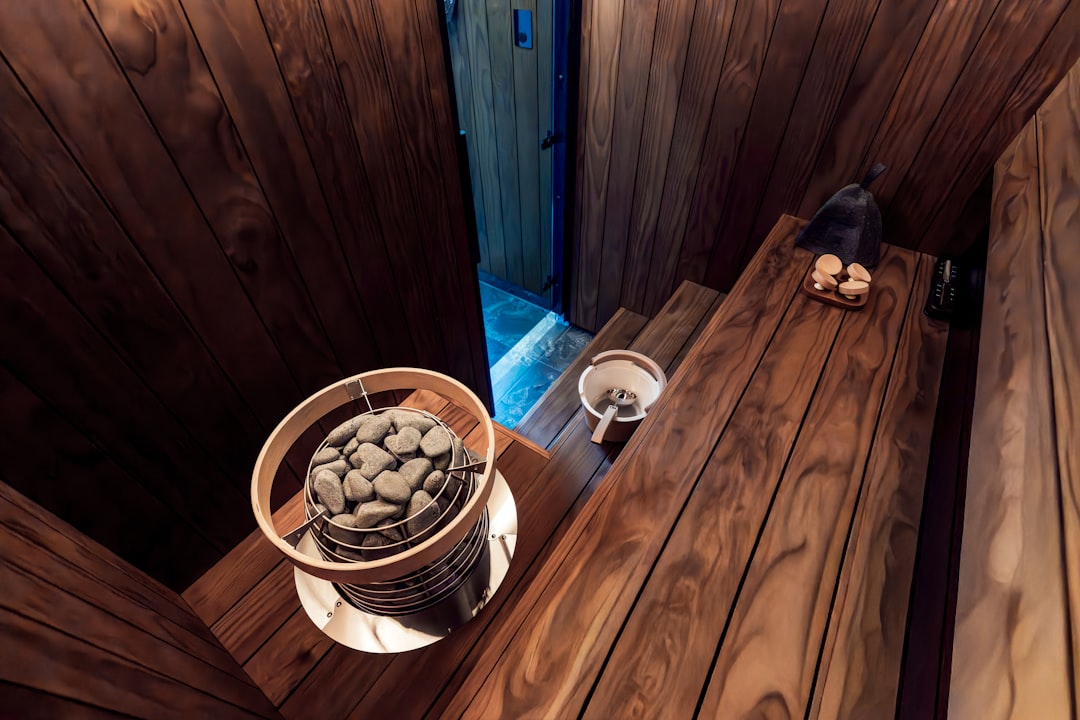
For a spa treatment room, that means the table, the tiled floor, the skirting and the door furniture are working to suppress surface bacteria and mould continuously, not just in the minutes after a disinfection round. For a pool deck, treated pool-surround tiles and handrails carry that protection through hours of wet traffic.
The surfaces a hotel treatment typically covers
A hotel antimicrobial surface treatment in Singapore typically addresses:
- Spa treatment rooms: tables and headrests (treated on the surface material, not on soft coverings), tiled floors and walls, door handles, shelving, light switches
- Pool surround and changing areas: pool-deck tiles and non-slip surfaces, handrails, locker handles and doors, shower stalls, drainage surrounds
- Lift lobbies and lift interiors: call buttons, handrails, interior wall panels (stainless steel and glass), floor surfaces
- Guest corridor surfaces: handrails, skirting boards, door handles to stairwells, and carpet or hard-floor runner surfaces
- Gym and fitness areas: equipment handles and grips, floor matting, locker room surfaces
The coating works on plastic, wood, metal, glass and textiles, which covers the full mix of materials a hotel operates across these zones.
Field verification matters in a hotel context
A guest-facing property cannot simply assert that a surface has been treated. The AEGIS coating can be verified on-site using the bromophenol-blue (BPB) test: a treated surface shows a colour change that confirms the coating is present and active. For a housekeeping operations manager or a general manager with an audit requirement, that field verifiability is a direct record of protection, not a claim on a certificate.
Singapore Tourism Board reporting has noted that hotels adopted antimicrobial and self-disinfecting surface coating solutions specifically to reduce the time and labour needed to clean and disinfect high-touch and common areas by treating these touchpoints with a self-cleaning surface treatment, a recognition that the hospitality sector sees real operational value in residual surface protection.
When to treat and when remediation comes first
A hotel antimicrobial surface treatment protects a surface; it cannot reverse active contamination. If a spa grout line already shows visible mould, or a pool-deck tile has established mildew growth, the right sequence is: remediate first, then coat. Applying a coating over an active mould colony traps the problem rather than solving it.
Similarly, if a wet area has a drainage or waterproofing issue, the coating extends protection between cleans but it does not fix the underlying moisture source. That has to be addressed separately, whether through building maintenance or a more involved mould and bacteria remediation programme.
For surfaces that are clean but unprotected, the coating is the right first step. We assess the condition of each zone before treatment, which is where the process should start.
What hotels can manage themselves and what they cannot
A well-run housekeeping team can keep surfaces visually clean, remove surface bioburden on schedule and respond to spot contamination. That is genuine value, and the coating does not replace it. What housekeeping cannot do is maintain active surface protection in the minutes, hours and guest contacts between rounds. A corridor handrail that is wiped at 8 am is unprotected by 8:05.
Professional disinfection adds a deeper periodic clean, which Aegis also provides as a standalone disinfection service. But in zones with continuous high contact, the most durable answer is a surface that works between every clean, not a more frequent schedule of cleaning. More frequent cleaning has a ceiling; a treated surface does not.
For hotel operators who want to understand how a treatment programme is structured across a full property, the Aegis technical library sets out the test data behind the coating's efficacy on different surface types.
Frequently asked questions
Will the coating affect the finish or appearance of pool-deck tiles or spa surfaces?
No visible change to the surface. The AEGIS Microbe Shield bonds at a molecular level, leaving no film, texture or colour change. Pool-deck tiles, polished stone, stainless-steel fixtures and glass surfaces all treat cleanly. We confirm this in the pre-treatment assessment, particularly on decorative or high-value finishes in a spa environment.
How long does protection last on a high-traffic wet-area surface?
The coating bonds for the life of the treated surface, so protection is long-term under normal use and cleaning. We recommend a BPB field verification at agreed intervals, typically aligned with a hotel's preventive-maintenance schedule, to confirm the coating is intact on the most heavily used surfaces, such as pool handrails and treatment-room door handles.
Can we treat soft furnishings in treatment rooms, such as robes, towels or massage table coverings?
The AEGIS Microbe Shield is effective on textiles, so robes, upholstered elements and treatment table coverings can be treated. Towels and linens that go through industrial laundering at high temperatures typically need periodic re-treatment; we factor that into the programme. The surface of the table itself, if it is vinyl, foam-backed or timber, treats in a single application.
Is there any downtime for the hotel during application?
Application is quiet and low-disruption. Most hotel treatments are scheduled zone by zone, during low-occupancy periods or overnight, so individual areas, a spa suite, a lift lobby, a pool surround, are treated and returned to service in sequence. We plan the schedule around the hotel's occupancy calendar to keep disruption to a minimum.
Is the coating safe around pool water, chemicals and the cleaning products housekeeping already uses?
Yes. The coating is non-leaching, so it does not release compounds into pool water or interact with cleaning agents. Standard housekeeping chemicals, including neutral-pH and mild disinfectant solutions, are compatible with a treated surface. Harsh abrasives or very high-pH degreasers used directly on the surface repeatedly may reduce longevity, which is worth noting in a pool-plant or kitchen-adjacent area, something we cover in the handover notes after treatment.
Get a free quote