
Guest room turnaround and surface protection: what Singapore hotels get wrong between stays
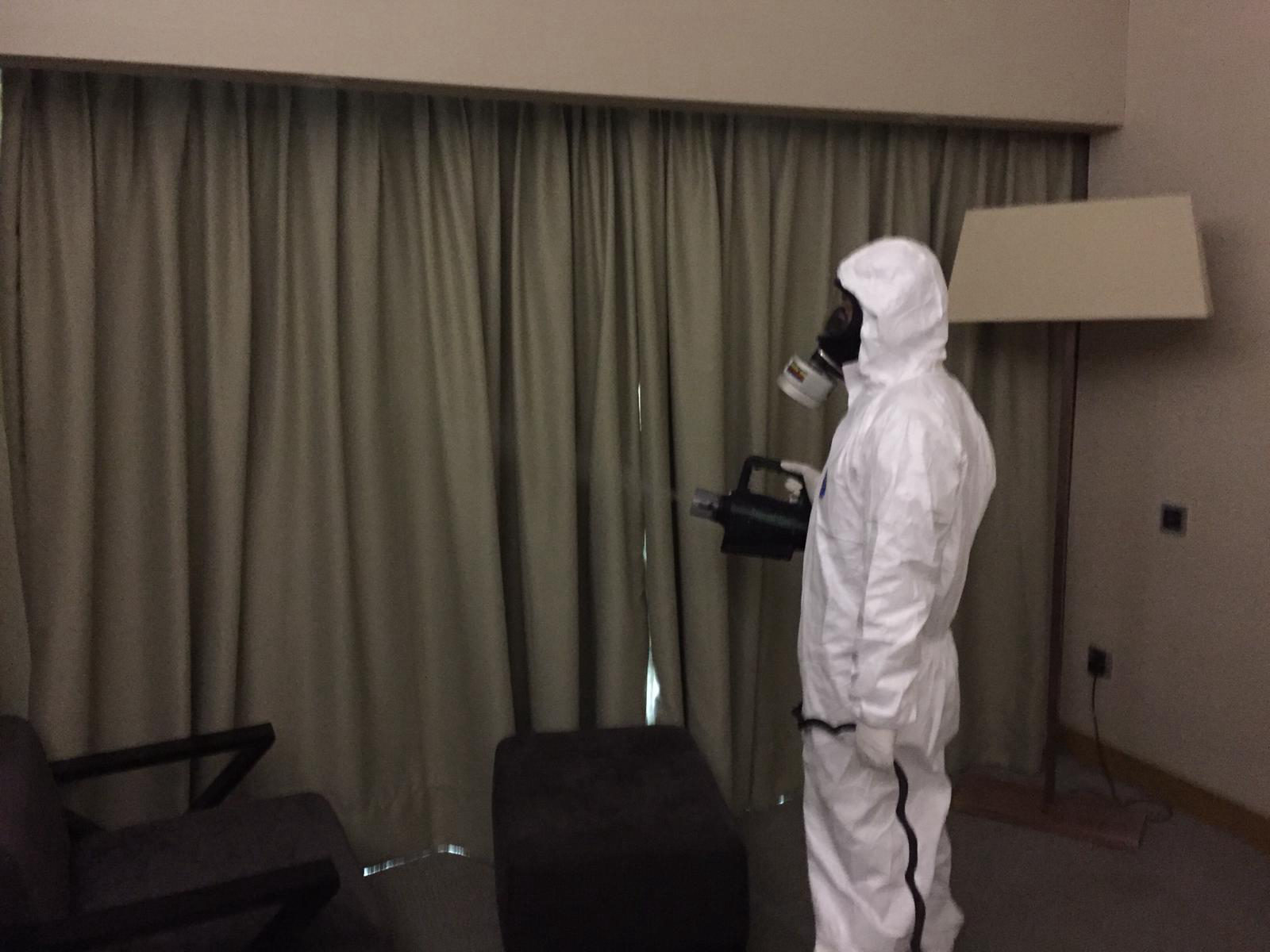
A housekeeper strips the bed, wipes the desk, swaps the towels and moves on. Twenty minutes, maybe thirty. The room looks clean, smells clean, and the next guest checks in within the hour.
But look at what was not cleaned: the TV remote, the light switch beside the door, the door handle itself, the tap lever, the lift button the guest pressed on the way up. These surfaces were touched dozens of times by the previous guest and wiped, if at all, with a damp cloth that removes visible soil but leaves the surface open to recontamination the moment anyone touches it again.
This is the gap that most Singapore hotel operations get wrong. It is not a housekeeping failure. It is a structural one: routine cleaning has a residual life measured in minutes, not hours.
Why this matters: In a high-occupancy hotel, high-touch surfaces are recontaminated almost immediately after each clean, which means a 20-minute turnaround gives the next guest no meaningful protection between stays.
Highlights
- Routine cleaning removes visible soil but leaves surfaces open to recontamination as soon as the next person touches them
- High-touch surfaces in hotel rooms (remote controls, door handles, light switches, tap levers) are among the most frequently contacted and least thoroughly cleaned during a turnaround
- The AEGIS Microbe Shield is a silane quaternary-ammonium micropolymer coating that bonds to a surface and inhibits bacteria, mould and fungi on contact
- Non-leaching, so it does not wash off or get used up: it gives residual protection between cleans for the life of the treated surface
- Works on plastic, wood, metal, glass and textiles, including soft furnishings and upholstery
- Approved under Health Canada PCP# 15133, US EPA 64881-1 & 64881-7, EU PT-7 & PT-9 and UK PT-2; treatments can be field-verified by BPB test
Why the 20-minute turnaround leaves surfaces exposed
The surfaces that get missed
Housekeeping teams work under real time pressure. In a full-occupancy hotel running back-to-back stays, the turnaround window is short. The bed, the bathroom, the floor and the visible desk surface get attention. But the surfaces guests touch most frequently, remote controls, light switches, door handles, wardrobe rails, minibar handles, curtain pull cords, are often wiped once, if at all.
Even when they are wiped, the disinfectant has a short active window. Once it dries, the surface is unprotected. The next guest walks in, touches the remote control, the bedside lamp switch, the bathroom tap. Any microbes they carry transfer immediately. There is nothing on the surface to act against them.
Soft furnishings are the real blind spot
The headboard, the sofa cushion, the upholstered chair in the corner: these are rarely treated during a standard turnaround at all. They are vacuumed periodically and deep-cleaned on a schedule, but between those cleans, they carry whatever the previous guest left behind. Mould and bacteria can persist on fabric in Singapore's humidity long after a guest has checked out.
For hotels trying to maintain genuine surface hygiene through a 300-day-a-year occupancy cycle, the gap between visible cleanliness and actual protection is significant.
What a residual antimicrobial coating actually does
The mechanism: physical disruption, not chemical poisoning
The AEGIS Microbe Shield coating works differently from a spray disinfectant. It is a silane quaternary-ammonium micropolymer that bonds permanently to the surface at a molecular level, forming a positively-charged coating. When bacteria, mould or fungi contact the treated surface, the charge physically ruptures the cell membrane. The microbe is destroyed on contact.
Because the coating is non-leaching, it does not dissipate, transfer or get used up. It is not consumed by the microbes it acts on. It keeps working between cleans, through each guest stay, through normal cleaning routines, for the life of the treated surface.
This is the layer that a standard turnaround cannot provide. A housekeeper's cloth removes visible soil. The coating handles what arrives in the minutes and hours after the cloth has gone.
What surfaces it covers
The coating works on plastic, wood, metal, glass and textiles. In a hotel room, that means:
- Remote controls, phones and electronic keypads
- Door handles, wardrobe rails and drawer pulls (metal and coated wood)
- Light switches, power sockets and bedside panels
- Bathroom tap levers, shower handles and toilet flush buttons
- Headboards, upholstered seating and curtain pull cords (textiles)
- Hard desk and table surfaces, mirrors and glass panels
A single treatment covers the full mix of materials in a typical guest room. Treatments can be field-verified using the bromophenol-blue (BPB) test, so there is a documented, verifiable record that the surface was treated.
When it fits into hotel operations
The coating is applied once as a dedicated treatment, then left to work. Normal housekeeping continues unchanged. The coating does not interfere with routine cleaning products or protocols; it keeps performing through each clean. Hotels can schedule treatments during low-occupancy periods, refurbishments or as part of a planned hygiene programme.
That said, the coating protects the surface it is applied to. It does not address active mould from a water leak, poor ventilation or a drainage problem. If a room has an underlying moisture issue, that needs to be resolved first. The coating is a residual protection layer, not a substitute for remediation where remediation is actually needed.
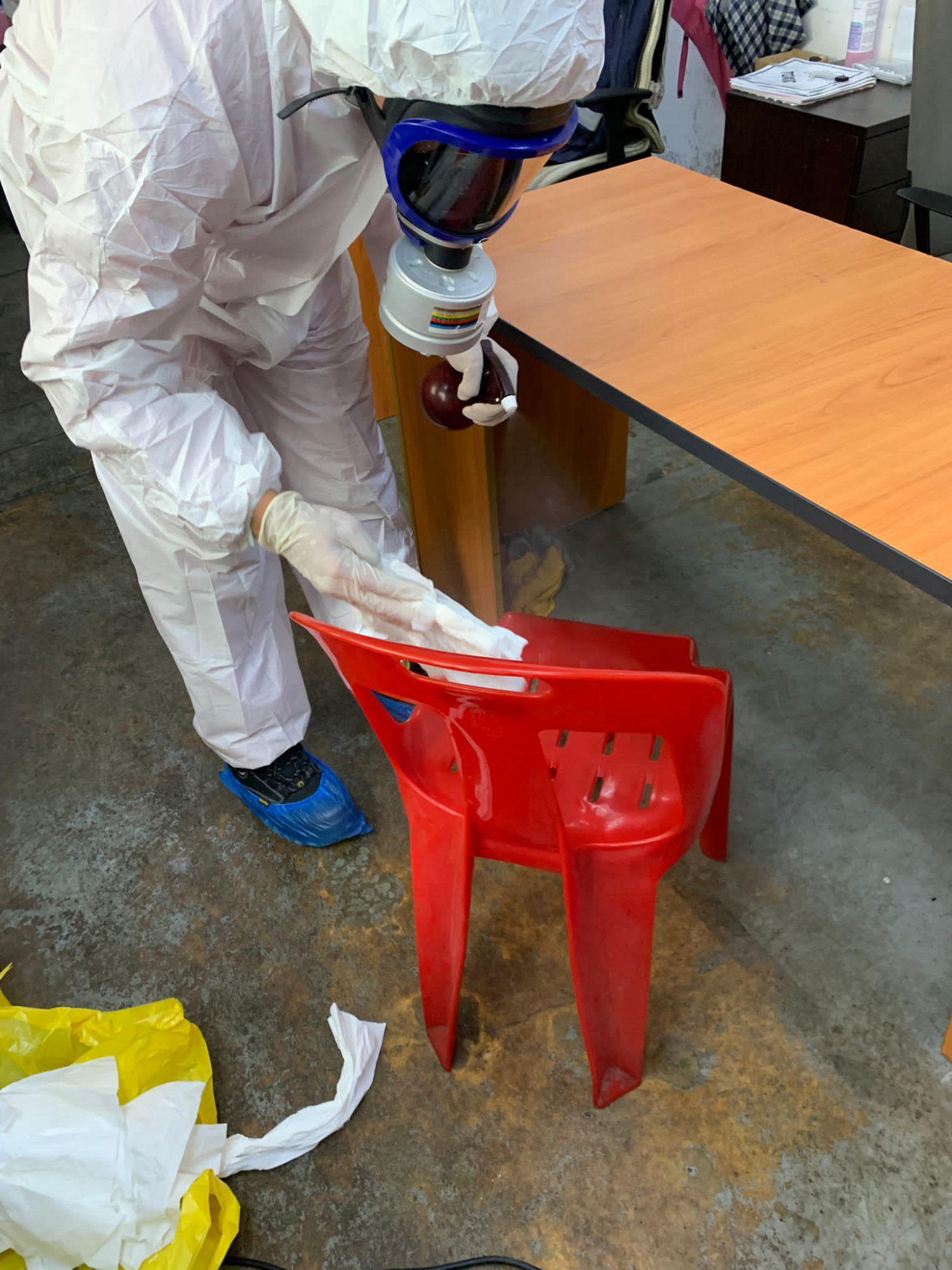
What Singapore hotels are doing differently now
The hospitality sector here has been rethinking surface hygiene seriously since the disruption of recent years. Singapore Tourism Board reporting noted that some hotels adopted antimicrobial coating solutions specifically to reduce the time needed to clean and disinfect high-touch and common areas, by keeping treated surfaces actively protective between cleans.
The logic is straightforward: if the surface itself helps control microbial contamination between each turnaround, the pressure on a short cleaning window eases. The housekeeper still cleans. But the risk window after the clean is no longer unprotected.
For hotel operations managers and housekeeping directors looking at a genuine hotel antimicrobial surface treatment for Singapore properties, the key question is not whether to clean, but what protection remains on the surface after the cleaner has left the room.
The surfaces worth treating first
If a property is starting with one area, the highest return comes from the surfaces touched most per stay and least thoroughly addressed in a standard turnaround. Based on typical hotel room usage, that list looks like this:
- TV remote controls (touched many times per stay; rarely disinfected thoroughly)
- Bedside lamp and light switches
- Door handles (room door, bathroom, wardrobe)
- Bathroom tap levers and flush handles
- Soft upholstered seating, headboards and curtain cords
Common areas (lift buttons, lobby door handles, gym equipment, dining chair arms) carry even higher contact frequency than individual rooms and benefit from the same approach. Our disinfection service addresses those environments as part of a broader programme.
Frequently asked questions
Does the coating wash off when housekeeping cleans the room?
No. The AEGIS Microbe Shield bonds to the surface at a molecular level and is non-leaching, so it does not wash off, transfer or get used up through normal cleaning. Housekeeping can continue using standard products and protocols. The coating keeps working through each clean for the life of the treated surface.
How do we know the treatment is actually working?
Treatments can be field-verified using the bromophenol-blue (BPB) test, which gives a visible, documentable result that the surface was treated. This is useful for hotels that need a verifiable record as part of their hygiene programme or for third-party audits.
Can a single treatment cover both hard surfaces and soft furnishings?
Yes. The coating works on plastic, wood, metal, glass and textiles, so a single treatment session can cover the full mix of materials in a guest room: hard surfaces, upholstered headboards and seating, curtain cords and fabric panels. The approach and application differ slightly by material, but the protection principle is the same.
Is the coating safe for guests with sensitivities?
The coating is non-leaching: it does not transfer to skin or off-gas into the room. It acts only on the surface it is bonded to. The product is approved under Health Canada PCP# 15133, US EPA 64881-1 & 64881-7, EU PT-7 & PT-9 and UK PT-2. We can advise on the product data sheet for any specific concerns at your property.
When should we remediate rather than coat?
If there is active mould growth in a room, typically from a water leak, condensation on a cold surface or inadequate ventilation, that needs to be addressed through mould and bacteria remediation before a coating is applied. A coating protects a clean, stable surface. It cannot fix an underlying moisture source, and applying it over active mould growth is not the right sequence.
The most durable approach is to resolve the source, remediate the affected surface, then apply the coating to give ongoing residual protection afterwards.
Ready to protect your guest rooms between stays?
Contact Aegis Asia to discuss a surface protection programme for your property. Request a quote, call us on 6241 9443, WhatsApp 9222 9222, or email [email protected].
Get a free quote