
What makes AEGIS antimicrobial different: the non-leaching mechanism that keeps working between cleans
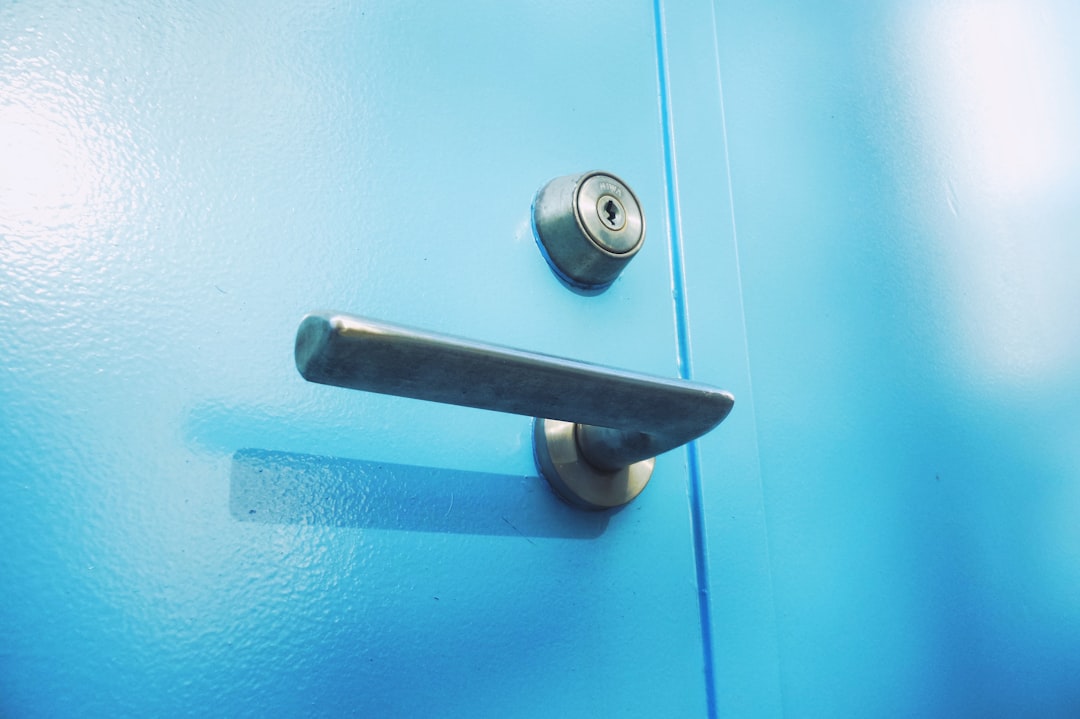
A facilities manager recently asked us a fair question: if you clean a surface with a standard disinfectant and it looks clean, what exactly is missing? The honest answer is that the surface is clean only for that moment. The instant someone touches a door handle or a lift button again, contamination begins building. By the next morning, you are back to square one.
That is the gap that the AEGIS antimicrobial mechanism was designed to fill. It is not a better disinfectant in the conventional sense. It is a different category of protection altogether, one that works on the surface itself rather than relying on repeated chemical applications to keep bioburden down.
Understanding how it works, and why the non-leaching design matters commercially, is what this article is about.
Why this matters: For any Singapore facility where high-touch surfaces are shared by dozens or hundreds of people each day, the window between cleans is exactly when cross-contamination risk is highest. A standard disinfectant provides no protection during that window.
Highlights
- The AEGIS Microbe Shield is a silane quaternary-ammonium micropolymer that bonds permanently to the treated surface
- It forms a positively-charged coating that mechanically ruptures bacterial cell membranes on contact, no chemical poisoning, no leaching
- Non-leaching means the coating does not dissipate, wash off or get used up between cleans; protection is residual for the life of the treated surface
- Works on plastic, wood, metal, glass and textiles, the full range of high-touch and soft surfaces in a commercial space
- Every treatment can be field-verified on-site using the bromophenol-blue (BPB) test
- Approved under Health Canada PCP# 15133, US EPA reg. 64881-1 & 64881-7, EU PT-7 & PT-9 (REACH) and UK PT-2
How the AEGIS antimicrobial mechanism actually works
The bonding chemistry
The AEGIS Microbe Shield is a silane quaternary-ammonium micropolymer. When applied to a surface, the silane component reacts with moisture and covalently bonds to the substrate: plastic, wood, metal, glass, or textile. This is not a film sitting loosely on top. It is a molecular-level attachment that means the coating cannot be wiped away in the normal course of cleaning.
Once bonded, the quaternary-ammonium groups extend outward from the surface like a dense bed of microscopic spikes, each carrying a strong positive charge.
The mechanical-rupture action
Bacteria, mould and fungal cells carry a negative charge on their outer membranes. When a microbe lands on or contacts the treated surface, the electrostatic attraction draws it toward those positively-charged spikes. On contact, the physical structure of the spike pierces and ruptures the cell membrane, inhibiting the microbe.
This is a mechanical action, not a chemical one. No biocide leaches into the environment. No poison is released. The spike does not get used up in the process, which is the key point we will come to next.
Why non-leaching is the commercially important property
The problem with conventional biocides
Most antimicrobial surface treatments work by slowly releasing a biocidal chemical, a substance that acts on microbes on contact. The logic is straightforward, but it carries two significant drawbacks.
First, the active chemical depletes over time. Every contact event, every clean, every humid Singapore afternoon accelerates that depletion. Protection fades, and you have no easy way of knowing when it is gone. Second, the leached chemicals contribute to selection pressure on microbial populations. The World Health Organisation has identified antibiotic and biocide resistance as one of the most urgent threats to global health, driven in part by improper use of antimicrobial agents that allows bacteria to develop resistance over time.
A non-leaching mechanism sidesteps both problems. Because nothing is released, there is no depletion curve and no chemical residue transferred to hands, food, or clothing.
What residual protection means in practice
For a facility with shared high-touch surfaces (clinic waiting-room chairs, school desk surfaces, office lift buttons, food-prep counters) the period between scheduled cleans is exactly when the surface is most vulnerable. A leaching product offers diminishing protection across that window. A non-leaching coating offers the same level of protection at the end of the day as it did at the start, because the mechanism has not been consumed.
This is what we mean by residual protection for the life of the treated surface. The coating bonds once. It works continuously. It does not need to be topped up between regular cleans, and it does not require you to change your cleaning schedule or products to maintain it.
The ASTM E2149 standard, specifically revised to measure antimicrobial activity of non-leaching treated articles, exists precisely because this class of product needed its own evaluation methodology: one that tests residual activity after repeated rinsing, not just initial application.
Surfaces it treats, and field verification
The surface range
The AEGIS antimicrobial coating is effective on the full range of surfaces you find in a commercial or institutional space:
- Hard surfaces: plastic, metal, glass (door handles, handrails, lift buttons, workstations, display screens)
- Porous surfaces: treated and sealed wood, laminate panels
- Textiles: upholstery, soft furnishings, seating fabric, curtains
This matters for a facilities team because it means a single treatment programme can cover both hard-surface high-touch points and the soft furnishings that conventional disinfection often leaves untreated. For more detail on how we treat soft and product surfaces, see our product treatment service.
The BPB field test
One practical advantage of the non-leaching design is that the coating can be tested in the field after application, without a laboratory. The bromophenol-blue (BPB) test uses a pH indicator that reacts visibly to the positive charge of an intact AEGIS coating. A colour change on the treated surface confirms the coating is present and active.
This is verifiable proof, on-site, that the treatment was applied correctly and is still in place. For a school, clinic or transport operator that needs to demonstrate due diligence, that is a significant practical advantage over a surface that was fogged last week and provides no ongoing evidence of protection.
You can see how this field detection works in detail in our AEGIS Microbe Shield field detection article.
When the AEGIS antimicrobial coating is the right call, and when it is not
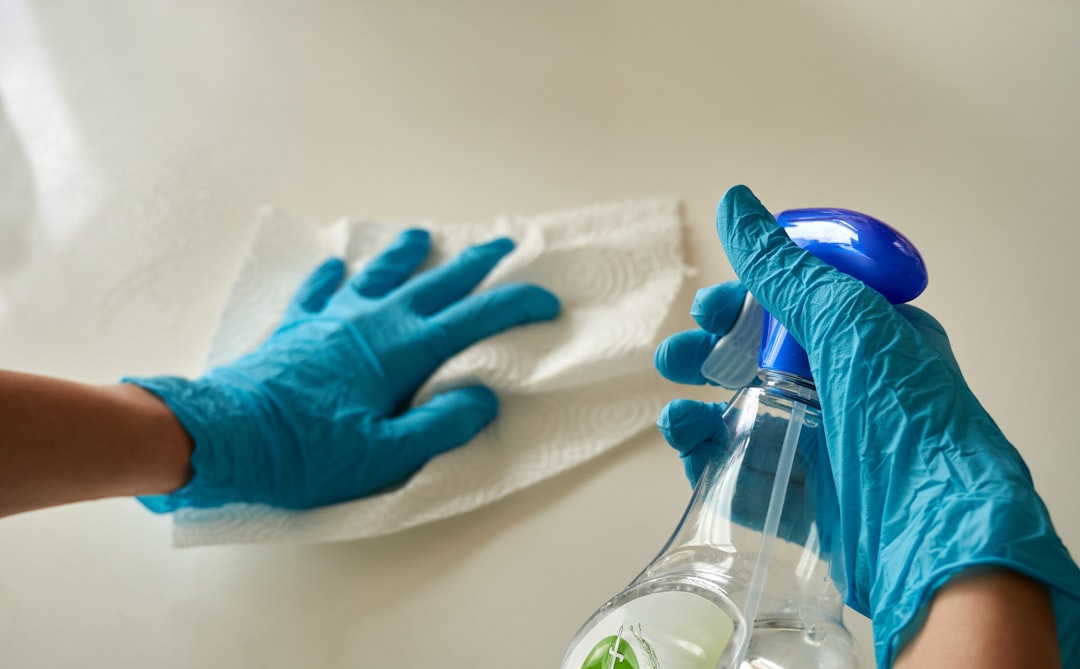
A surface coating protects the surface it is applied to. It does not fix an underlying contamination problem that has not yet been addressed.
If a space has active mould growth, a water ingress issue, or a significant bioburden from a known contamination event, the right first step is remediation, not coating. Our mould and bacteria remediation service is designed for exactly that: clearing the active problem before any protective layer is applied. A coating applied over an unresolved mould source will not arrest that growth.
Once the surface is clean and the source is controlled, a non-leaching AEGIS treatment gives you the residual protection that keeps the surface safer between cleans. For spaces with no active contamination, a coating can be applied directly as a preventive measure.
For facilities considering this as part of a broader hygiene programme, our disinfection service and the AEGIS Microbe Shield coating are often used together: a thorough disinfection to reduce present bioburden, followed by coating to protect the surface going forward. The two serve different functions and work well in sequence.
Across a wide range of commercial settings, from casino gaming floors to transit vehicles to school high-touch areas, the AEGIS antimicrobial approach has been applied specifically because the challenge is the same: high-contact surfaces that cannot be disinfected continuously, in spaces where protection between cleans is the real gap to fill.
The mechanism is not complicated once you understand it. Bond to the surface. Rupture on contact. Do not deplete. For a Singapore facility where shared surfaces are touched hundreds of times a day, that is a meaningfully different kind of protection.
Frequently asked questions
Will regular cleaning damage or remove the coating?
No. The silane bond that attaches the AEGIS antimicrobial coating to the surface is covalent: it does not wash off with routine cleaning. You can continue using your normal cleaning schedule and products. The coating works alongside your regular programme, not instead of it, providing residual protection between each clean.
Does the non-leaching design mean there is no risk of resistance developing?
Because the AEGIS antimicrobial mechanism is physical rather than chemical, microbes have no pathway to develop resistance to it in the way they might to a leached biocide. A cell membrane cannot adapt to a mechanical rupture the same way it can to a chemical it has been repeatedly exposed to at low concentrations.
How do I know the coating is still active after months of use?
The BPB (bromophenol-blue) field test confirms the presence and activity of the coating on-site without a laboratory. A colour reaction indicates the positive charge is intact. This can be carried out during a follow-up visit if you want verifiable documentation that the treatment remains in place.
Which surfaces in our facility are most worth treating first?
High-touch surfaces are the priority: door handles, handrails, lift buttons, shared workstation surfaces, light switches and seating. Textiles in waiting areas or public seating are also high-value targets because conventional disinfection rarely treats them. Our site assessment identifies the surfaces with the highest contact frequency and the greatest gap in your current cleaning programme.
Is the AEGIS antimicrobial coating safe for use in food-handling or clinical areas?
The coating is approved under Health Canada PCP# 15133, US EPA reg. 64881-1 & 64881-7, EU PT-7 & PT-9 (REACH) and UK PT-2. Because it is non-leaching, nothing transfers from the treated surface to hands, food or equipment. We do not make medical or health claims, but the regulatory approvals and non-leaching design are the relevant facts for a food-premises or clinical operator assessing suitability.
Get in touch
Ready to give your facility's surfaces lasting protection between cleans? Request a quote or contact us directly:
- Call: 6241 9443
- WhatsApp: 9222 9222
- Email: [email protected]
Get a free quote