
Mould keeps coming back in your building: why remediation without a root-cause fix always fails
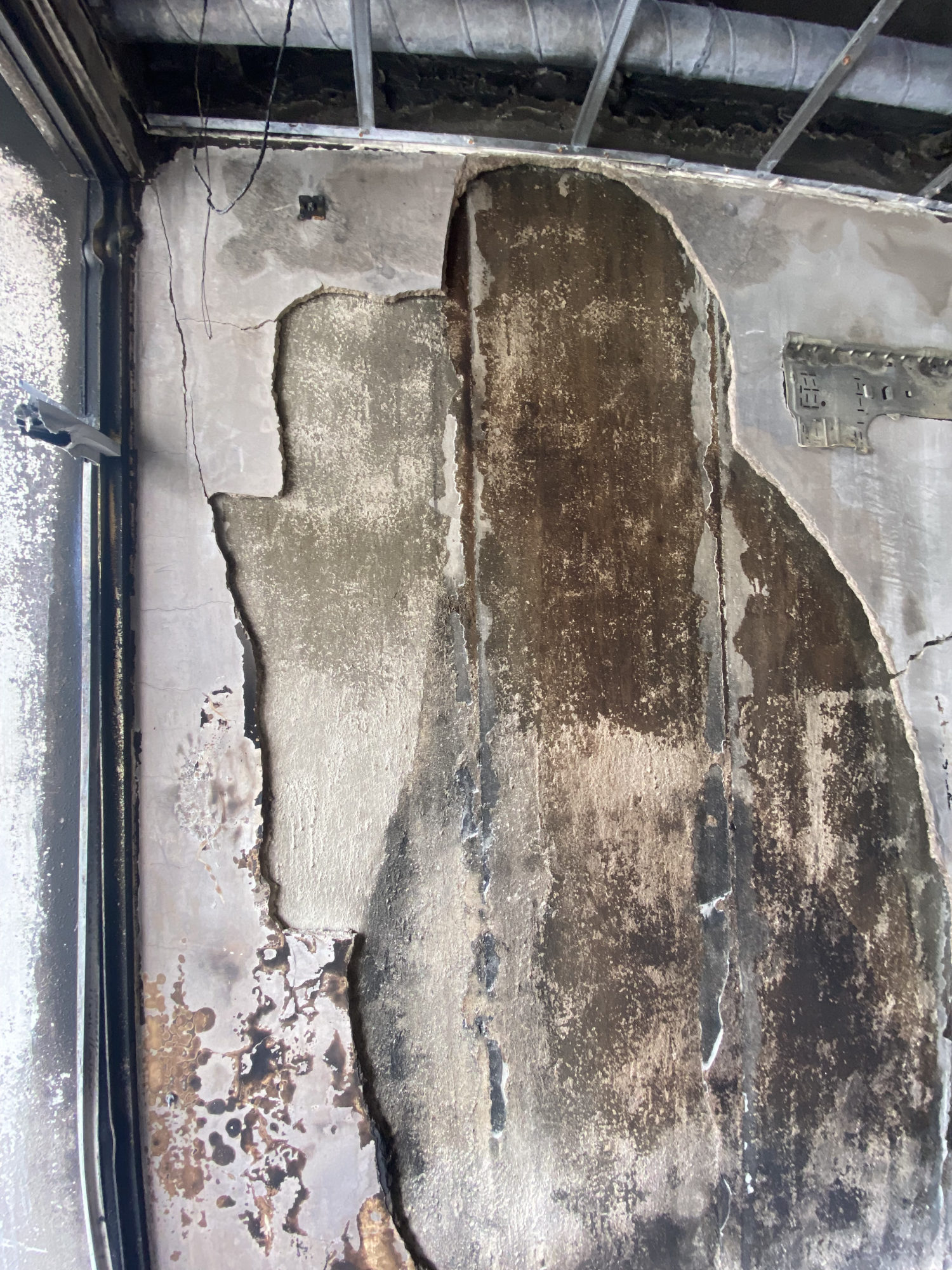
The mould patch is gone. Your team scrubbed it, sprayed it, repainted over it. Three weeks later it is back, slightly larger, and the facilities manager is fielding complaints again.
This is not bad luck. It is a predictable outcome when the visible growth is treated but the conditions that produced it are left intact. In a Singapore building, that mistake is expensive to repeat because the conditions are relentless: year-round humidity, dense building stock with limited natural ventilation, and air-conditioning systems that cycle moisture through ducted spaces every hour.
Understanding why mould returns is the first step to stopping it. The second is knowing what an effective mould remediation service for a Singapore building actually includes, and what it does not.
Why this matters: Mould that returns after treatment is not a cleaning failure. It is a sign that the moisture source and spore reservoir were never properly addressed, and every repeat cycle damages building fabric and occupant comfort further.
Highlights
- Mould returns when visible growth is removed but the moisture source and residual spore reservoir are not addressed
- Singapore's tropical humidity means any untreated substrate stays wet enough to recolonise within weeks
- Effective mould remediation for a Singapore building covers root-cause assessment, material removal or drying where needed, and residual surface protection
- The AEGIS Microbe Shield is a silane quaternary-ammonium micropolymer that bonds to the treated surface and inhibits mould and fungus on contact. It is non-leaching, so it keeps working between cleans
- Treated surfaces can be field-verified with a BPB test; the coating holds approvals under Health Canada PCP# 15133, US EPA 64881-1 & 64881-7, EU PT-7 & PT-9 and UK PT-2
Why mould keeps returning: the cycle most buildings are stuck in
Mould is a symptom. The cause is moisture: in the substrate, in the air, or both. When a remediation treats only the surface, the spore reservoir embedded in porous materials (plasterboard, ceiling tiles, timber framing, grout, acoustic panels) remains alive and dormant. The moment ambient humidity rises again, those spores have everything they need.
In Singapore, ambient humidity rarely drops below 70%, and inside a building with oversized or poorly maintained air-conditioning, condensation forms on cold surfaces every time the system cycles. Research published in PubMed Central on sick building syndrome and building-related illness notes that professional remediation must include eliminating the physical cause of moisture in the building, removing mould-infested materials in accordance with recommended practice, and subsequent drying and fine cleaning, not just surface treatment. Skip any of those steps and recolonisation is a matter of when, not if.
The visible patch of mould on a wall is the fruiting body. By the time it is visible, the hyphae have penetrated the substrate. Wiping the surface removes the part you can see. It does not remove the root structure.
What a surface-only approach misses
- The moisture source: a slow pipe leak, condensation on a cold-bridge wall, a blocked drain point, or a poorly sealed window joint
- The spore reservoir: mould embedded in porous substrates that a surface clean cannot reach
- The ambient humidity: if the HVAC system is contributing to the problem through poor humidity control, the cleaned surface will recolonise even if the original patch was fully excised
- Adjacent materials: mould travels. Treating one panel while leaving colonised material next to it means the treated area is re-seeded within weeks
What effective mould remediation for a Singapore building actually involves
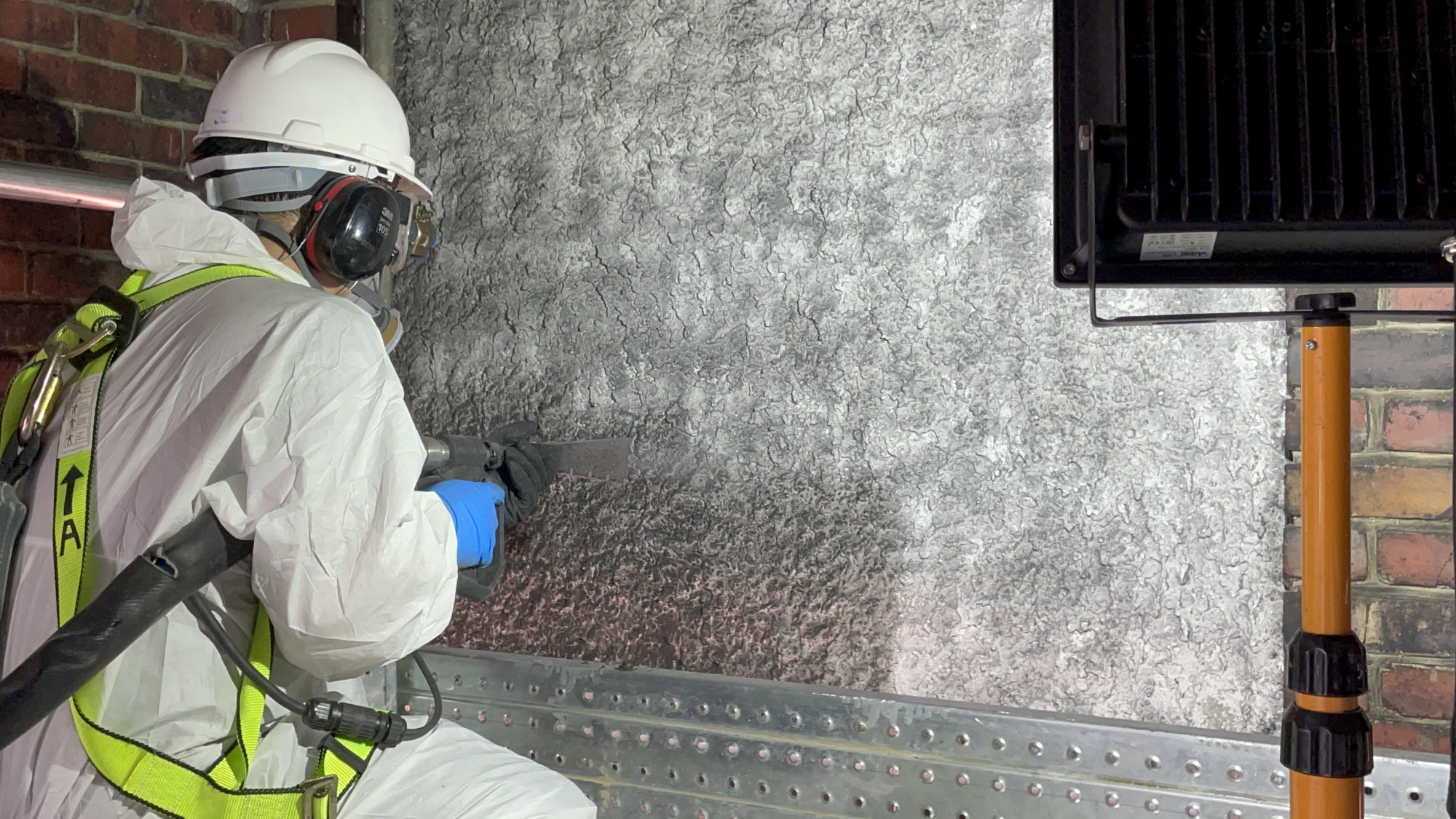
A credible mould and bacteria remediation service starts before anyone touches a wall. The first stage is an honest site assessment: where is the moisture coming from, how far has colonisation spread, and which materials can be dried and treated in place versus which need to be removed?
This matters because not every mould job is the same. A superficial patch on a painted concrete wall after a one-off leak is a very different problem from recurrent mould on a gypsum-board partition in a basement carpark with chronic condensation issues. Conflating them leads to the repeat-treatment cycle.
The stages that actually matter
|
Stage |
What it involves |
What is missed in a surface-only clean |
|---|---|---|
|
Root-cause assessment |
Identify moisture source, measure substrate moisture, map colonisation extent |
Skipped entirely |
|
Material decision |
Remove and replace heavily colonised porous material; dry salvageable substrates |
Surface wiped, substrate left wet |
|
Remediation |
Clean and treat the revealed substrate; address the moisture pathway |
Surface painted over |
|
Residual protection |
Apply a non-leaching antimicrobial coating to the treated surface |
Nothing; bare surface left open to recolonisation |
|
Verification |
Test the treated surface for residual antimicrobial activity (BPB test) |
Not performed |
The Singapore Green Building Council has noted that controlling humidity, not just temperature, is essential to protecting against mould in Singapore's offices. That principle applies just as directly to the remediation itself: drying the substrate and controlling the moisture source is not optional if you want the result to last.
When the coating comes last, not first
This is where we are direct with building managers: the AEGIS Microbe Shield coating is not a substitute for remediating an active mould problem. It is a residual layer applied after the source is fixed and the affected surface is clean and dry. The coating bonds to the surface as a positively-charged micropolymer and mechanically ruptures the cell membranes of mould and fungus on contact. It is non-leaching, so it does not wash off, dissipate or get used up, giving the treated surface ongoing protection between cleans.
But if you coat over a damp substrate or a live spore colony, the coating is bonding to a compromised surface. The mould underneath continues growing and eventually breaks through. Remediation must come first. The AEGIS Microbe Shield coating is what you apply to a clean, dry, treated surface to prevent recolonisation, not to halt an active outbreak.
What building managers can handle themselves, and when to call a professional
For a small, isolated patch on a non-porous surface (glazed tiles, sealed concrete, glass) caused by a one-off event such as a window left open in a rainstorm, a targeted clean with an appropriate biocide and good ventilation is often enough. If the surface dries fully and the moisture source is genuinely gone, recolonisation risk is low.
The situations that require a professional mould remediation service in a Singapore building are more specific:
- Mould that has returned after two or more treatments
- Growth on porous substrates: plasterboard, ceiling tiles, timber, soft furnishings, acoustic panels
- Mould covering more than roughly one square metre
- Any sign of moisture behind the surface (blistering paint, soft plasterboard, a musty smell with no visible growth)
- Mould near HVAC supply or return vents, where spores can be distributed across the floor plate
- Any food premises, healthcare or childcare facility, where surface hygiene standards are non-negotiable
The main pitfall to avoid is repainting over mould without treating the substrate. It conceals the problem for a few weeks, gives a false reading that the issue is resolved, and makes the next remediation harder because the paint layer traps moisture in the substrate and hides the full extent of colonisation.
For buildings dealing with recurrent mould on high-touch surfaces such as handrails, door frames and lift lobbies, it is also worth considering how a residual coating like the AEGIS Microbe Shield integrates with your regular cleaning programme. You can read about how high-contact surfaces in shared spaces present their own protection challenges in our article on high-touch surfaces in a clinic and cross-contamination risk. The same logic applies in any high-traffic building.
For food-premises operators, the interaction of mould with food-prep surfaces is covered in more depth in our piece on biofilm on food-prep surfaces and why a daily wipe is not enough.
Facilities teams managing childcare or education spaces face a related challenge with shared surface hygiene; the article on why childcare centres need more than a daily wipe covers the residual-protection argument in that context.
Breaking the recolonisation cycle in a Singapore building means fixing the moisture source, remediating the affected substrate properly, and then protecting the surface so that the next mould spore that lands on it cannot establish a colony. That is the sequence. Reverse any part of it and you are scheduling the next remediation before the paint on this one is dry.
Frequently asked questions
Why does mould come back so quickly after treatment in Singapore?
Because Singapore's ambient humidity stays high year-round, any mould spores left in the substrate or adjacent materials have everything they need to recolonise as soon as a treated surface is exposed to air again. If the moisture source (a leak, condensation, poor ventilation) was not fixed alongside the surface treatment, recolonisation is almost certain within weeks.
Can you apply the AEGIS Microbe Shield coating directly over a mould-affected surface?
No, and we will tell you that plainly before any job. The coating bonds to the surface as a micropolymer and works on a clean, dry, treated substrate. Applying it over active mould or a damp surface means it is bonding to a compromised layer. Remediation, drying and root-cause resolution must come first; the coating is then the residual protection layer that prevents recolonisation.
How do you verify that a treated surface is actually protected?
The treated surface can be field-verified using the bromophenol-blue (BPB) test, which confirms that the antimicrobial coating is active on the surface. This is particularly useful for facilities managers who need documented assurance that treated areas are protected.
Which surfaces does the AEGIS Microbe Shield work on?
The coating bonds to plastic, wood, metal, glass and textiles, covering most surfaces in a commercial or institutional building: handrails, door frames, lift interiors, wall panels, ceiling tiles and soft furnishings. It is non-leaching, so it does not transfer to skin or dissipate with cleaning. It keeps working between cleans for the life of the treated surface.
When should a building manager escalate to a professional mould remediation service?
When mould has returned after at least two prior treatments, when colonisation is on porous materials, when there is any sign of moisture behind the surface, or when the affected area is near HVAC vents. At that point, a site assessment to identify the moisture source is the right first step. Cleaning without it will produce the same result again.
Ready to break the cycle?
If mould has returned more than once, or if your building has porous substrates showing signs of moisture, a site assessment is the right starting point. We will identify the moisture source, advise on remediation scope, and apply a verified residual coating so the treated surface stays protected between cleans.
Request a Quote or contact us directly:
- Call: 6241 9443
- WhatsApp: 9222 9222
- Email: info@aegisasia.com
Get a free quote